
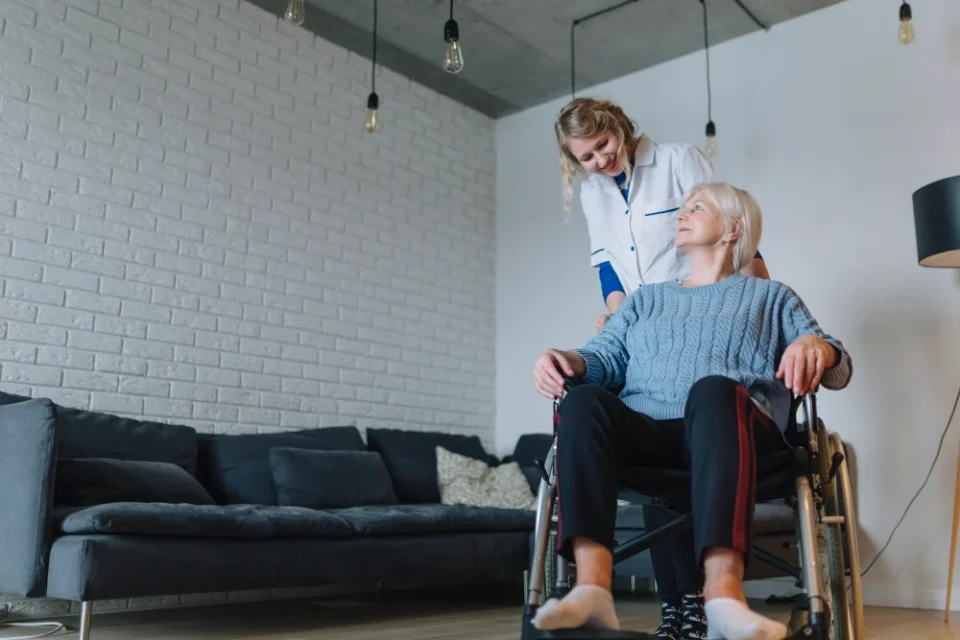
Watching a parent or spouse struggle with memory loss is one of those experiences that quietly changes everything. One day things feel manageable, and the next you’re second guessing whether they’re safe alone in the kitchen or whether they took their medication twice. Many families in Montclair and across Essex County eventually reach the same conclusion: their loved one needs more support than they can realistically provide alone, and dementia home care often becomes the answer that finally brings some relief.
What Dementia Home Care Actually Looks Like Day to Day
It’s easy to picture memory care as something clinical, but in practice it’s much more personal than that. A caregiver spends real time getting to know the individual, their habits, their preferences, and even the little things that tend to upset them. From there, the goal is simple: help the person feel steady and understood, even on the days when their memory isn’t cooperating.
That might mean gently reminding someone it’s time for lunch, sitting with them while they look through old photo albums, or keeping a close eye on them so they don’t wander off during a moment of confusion. None of this looks dramatic from the outside, but for a family who’s been carrying that weight alone, it can feel like finally being able to exhale.
Why So Many Montclair Families Choose to Keep Loved Ones at Home

Montclair has that kind of neighborhood feel where people know their mail carrier and still wave at neighbors from the porch. For seniors who’ve lived here for decades, moving into an unfamiliar facility can feel like losing a part of themselves, even if the facility itself is perfectly nice. Staying home, surrounded by familiar rooms and routines, tends to keep people calmer and more like themselves.
There’s also the flexibility factor. Every person experiencing memory decline moves through it differently, so rigid facility schedules don’t always fit. Families who choose private paying home support get to build something that actually matches their loved one’s rhythm, whether that’s a few hours of help each afternoon or someone present around the clock.
A Few Things That Typically Show Up in a Good Care Plan
No two plans look identical, since dementia rarely progresses the same way twice. Still, most families end up relying on a mix of the following:
- Help with daily routines like getting dressed, bathing, and remembering meals
- Calm redirection when confusion or frustration starts to build
- Light tidying around the house so the space stays safe to move through
- Simple, nourishing meals prepared with any dietary needs in mind
- Mental engagement through conversation, music, puzzles, or shared hobbies
- Extra hands nearby to reduce the risk of falls or wandering
Caregivers often adjust their approach after just a few visits, once they get a feel for what actually helps versus what tends to cause stress.
Why Companionship Matters Just as Much as Supervision
Safety is obviously important, but it’s not the whole picture. Loneliness has a way of making confusion worse, and many seniors quietly withdraw once they stop feeling capable of keeping up with conversations or activities they used to enjoy. This is exactly where companion care for seniors becomes so valuable, since it gives someone a reason to look forward to their day rather than just get through it.
There’s a ripple effect for families too. When someone trustworthy is checking in regularly, adult children finally get a chance to rest, catch up on work, or just have dinner without their phone sitting face up on the table. That breathing room matters more than people often admit, especially for anyone who’s been the sole caregiver for months or years.
Signs It Might Be Time to Ask for Help
Recognizing the right moment isn’t always obvious, since changes tend to creep in slowly rather than all at once. A few patterns tend to show up before families finally reach out.
- Medication getting missed, doubled, or forgotten entirely
- Wandering outside or losing track of familiar routes
- A home that’s suddenly messier or less cared for than usual
- Growing confusion in the evening hours
- Pulling away from friends, hobbies, or conversations they once loved
- Unexplained weight loss from skipped or forgotten meals
If a few of these sound familiar, it’s probably worth having an honest, unhurried conversation with the rest of the family sooner rather than later.
Finding a Caregiver Who Actually Fits Your Family
Not every provider approaches memory support the same way, so it’s worth asking real questions before committing to anyone. How are caregivers trained? Will the same person show up consistently, or does it change week to week? Can the plan shift as needs change? A provider willing to slow down and actually learn your loved one’s story usually ends up being the better fit long term.
It also helps to include the senior in these conversations whenever they’re able to participate, even in small ways. Feeling like a part of the decision, rather than something being decided for them, tends to lower resistance and build trust much faster.
A Final Thought
There’s no version of this journey that feels easy, but it doesn’t have to feel impossible either. With the right support in place, families throughout Montclair and Essex County can help their aging loved ones stay comfortable, safe, and surrounded by familiarity, without losing the independence that home naturally provides. Sometimes the most meaningful thing you can offer someone isn’t a facility with more resources, but a familiar chair by the window and someone kind sitting beside them.
