

Improving home mobility can transform daily life, especially for individuals with physical limitations. One of the most crucial steps in this process is ensuring proper coverage for mobility devices. With the right support, accessing wheelchairs and adaptive equipment becomes simpler, safer, and more affordable. For families and caregivers looking to make a positive change, understanding wheelchair insurance can be the key to unlocking practical solutions that fit both needs and budgets. This guide explores essential tips, insurance options, and strategies to maximize coverage while improving home mobility.
Why Home Mobility Matters
A well-equipped home promotes independence, safety, and comfort. Wheelchairs, ramps, and adaptive seating systems are more than convenience—they are vital tools for daily life. Home mobility solutions help prevent accidents, reduce caregiver strain, and allow users to engage more fully in family activities. Beyond physical accessibility, having the right equipment boosts confidence and overall well-being, making it a worthwhile investment for any household.
Understanding Wheelchair Insurance
Wheelchair insurance is designed to cover the costs associated with purchasing, upgrading, or maintaining mobility devices. Policies may vary depending on the provider, but most cover basic wheelchairs, power chairs, and advanced seating systems. Coverage can include items such as:
- Power tilt and recline functions
- Elevating leg rests
- Alternate drive controls
- Standing or elevating seats
Insurance not only helps reduce out-of-pocket expenses but also simplifies the process of acquiring necessary equipment. When paired with professional guidance, it ensures that individuals receive devices tailored to their medical and lifestyle requirements.
Types of Insurance for Wheelchair Coverage
Several insurance types can support home mobility needs:
1. Medicare and Medicaid
Both programs provide coverage for eligible wheelchair purchases, often including custom seating options. Medicaid policies vary by state, so checking local guidelines is essential to confirm eligibility.
2. Private Insurance Companies
Many private insurance providers, including Blue Cross Blue Shield, Humana, and Cigna, offer wheelchair coverage. Policies may cover standard models and select upgrades, depending on plan limits and medical necessity.
3. Employer-Sponsored Plans
Some workplaces offer insurance benefits that cover mobility aids. These plans may provide partial or full coverage, making them a valuable option for employees in need of adaptive equipment.
4. Veterans and Military Insurance
Programs like TRICARE cater specifically to veterans and active-duty personnel, offering coverage for wheelchairs and associated home modifications.
By understanding the available options, families can select the insurance plan that best aligns with their needs, ensuring comprehensive support for mobility improvements.
How Accepted Insurance Providers Make a Difference
Working with a network of accepted insurance providers ensures a smoother experience from application to delivery. These providers typically streamline the approval process, minimizing delays and paperwork. Some commonly accepted insurance options include:
- Medicare
- Medicaid (state-specific programs)
- Blue Cross Blue Shield
- Humana
- TRICARE
- Cigna
Collaborating with professionals familiar with these providers ensures that all necessary documentation is submitted correctly and that coverage requirements are met. This approach significantly reduces stress for both patients and caregivers, allowing focus on improving home mobility.
Selecting the Right Mobility Equipment
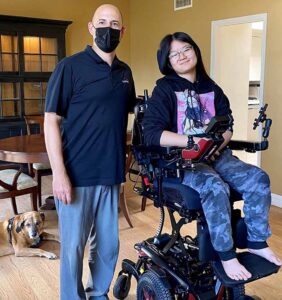
Choosing the right wheelchair or mobility device requires careful consideration of individual needs and home layout. Factors to evaluate include:
- Functionality: Power chairs, tilt and recline, or elevating features based on mobility requirements.
- Home Accessibility: Doorway width, floor surfaces, and ramp requirements.
- User Comfort: Seating, cushions, and ergonomics to prevent strain or discomfort.
- Upgrade Potential: Some insurance plans allow for feature enhancements, making it easier to adapt as needs change.
By pairing equipment selection with insurance guidance, users can optimize both comfort and financial efficiency.
Common Challenges and Solutions
Navigating wheelchair insurance and home mobility solutions can pose challenges. Common obstacles include:
- Complex paperwork: Many policies require detailed medical documentation. Working with knowledgeable providers ensures accurate submissions.
- Approval delays: Average approval times range from one to two weeks, but staying proactive with documentation helps expedite the process.
- Coverage limitations: Not all upgrades or specialized devices are fully covered. Exploring financing options alongside insurance can fill gaps.
Professional support is critical in overcoming these challenges, ensuring that mobility solutions are accessible, safe, and reliable.
Maximizing Insurance Benefits
To fully leverage insurance benefits, consider the following strategies:
- Verify coverage details: Always confirm with your provider what is included under your plan.
- Work with certified suppliers: Authorized providers often have established relationships with insurance companies, reducing delays.
- Document medical necessity: Proper documentation improves approval chances for advanced mobility devices.
- Stay informed on upgrades: Some policies allow feature enhancements; understanding your options ensures optimal equipment.
By proactively managing insurance interactions, users can secure the mobility aids they need without unnecessary stress or expense.
Enhancing Home Accessibility Beyond Wheelchairs
While wheelchairs are central to mobility, comprehensive home accessibility includes additional modifications:
- Installing ramps and grab bars
- Widening doorways for easier movement
- Adaptive bathroom and kitchen setups
- Automated or smart-home controls for lights and doors
Integrating these solutions enhances independence and quality of life, complementing the benefits provided by mobility equipment.
Conclusion
Improving home mobility is a transformative step for anyone facing physical limitations. Understanding and utilizing wheelchair insurance ensures that individuals receive high-quality, customized devices tailored to their lifestyle and needs. By selecting the right insurance plan, working with accepted insurance providers, and choosing suitable equipment, families can create a safe, accessible, and empowering home environment. Eclipse Mobility emphasizes guiding users through every step—from paperwork to equipment delivery—making home mobility improvements practical, affordable, and stress-free.
With proper planning and insurance support, enhancing home accessibility is no longer a daunting task. Users can enjoy increased independence, comfort, and confidence, turning mobility challenges into opportunities for a better quality of life. Eclipse Mobility remains dedicated to providing solutions that make every home a place of freedom and accessibility.
