
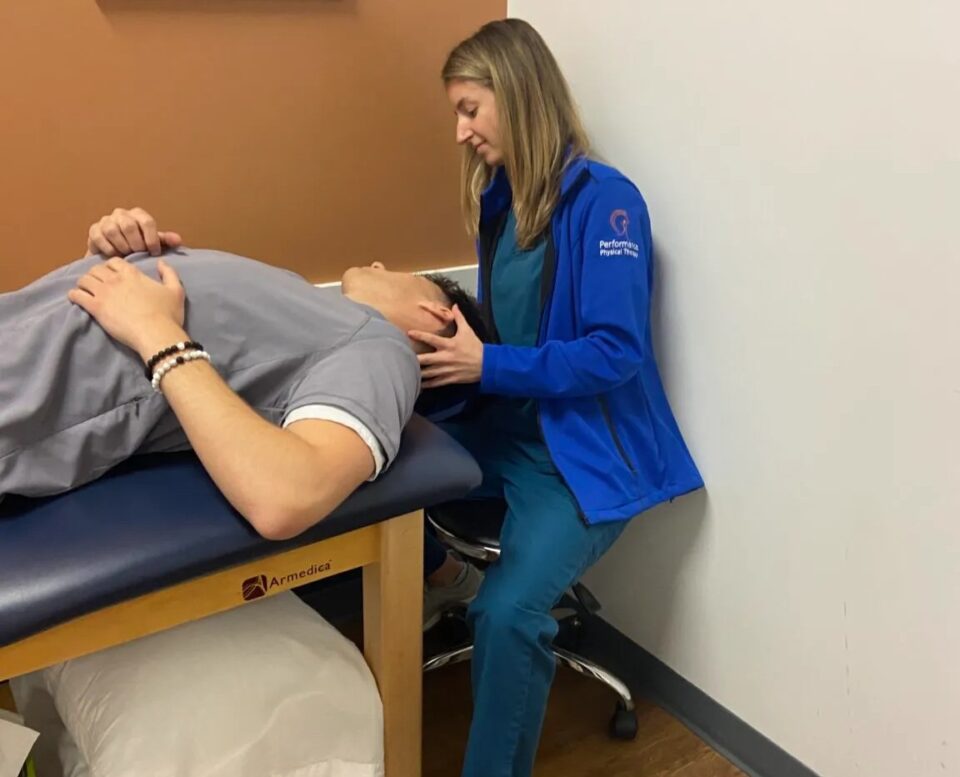
Dizziness and balance issues can significantly disrupt daily life, making simple activities challenging and sometimes unsafe. At Performance Physical Therapy, patients benefit from specialized vestibular therapy designed to restore stability, reduce vertigo, and improve overall mobility. This targeted approach ensures that individuals regain their confidence and lead active, fulfilling lives.
Understanding Vestibular Therapy
Vestibular therapy is a specialized form of physical rehabilitation aimed at addressing disorders of the inner ear and balance system. Common conditions treated include benign paroxysmal positional vertigo (BPPV), vestibular neuritis, and labyrinthitis. Therapists employ a variety of evidence-based techniques to evaluate and treat these issues, focusing on symptom reduction and functional improvement.
How Vestibular Therapy Works
During therapy, trained professionals conduct comprehensive assessments to determine the underlying causes of dizziness. This may include balance testing, eye movement evaluation, and motion sensitivity assessments. Based on these results, therapists design personalized exercise programs and manual therapy techniques to improve stability and coordination.
Benefits of Vestibular Therapy
- Enhanced Balance: Therapy strengthens the vestibular system and improves postural control.
- Reduced Dizziness and Vertigo: Targeted exercises alleviate the frequency and severity of dizzy spells.
- Improved Mobility: Patients regain confidence in daily activities, reducing fall risk.
- Customized Care: Individualized treatment plans address each patient’s specific condition and lifestyle needs.
Physical Therapy for Dizziness
In addition to vestibular therapy, physical therapy for dizziness can complement treatment by focusing on broader musculoskeletal issues. These exercises improve coordination, strengthen supporting muscles, and enhance overall stability. By combining vestibular and physical therapies, patients often experience faster recovery and long-lasting relief from imbalance symptoms.
Conditions Treated with Vestibular Therapy
- BPPV: Rapid head movements can trigger vertigo; vestibular exercises correct inner ear displacements.
- Vestibular Neuritis: Inflammation of the inner ear nerves can cause sudden dizziness, which therapy helps manage.
- Labyrinthitis: Viral infections affecting the inner ear are addressed through balance retraining and symptom control.
- Post-Concussion Syndrome: Rehabilitation focuses on restoring coordination and reducing dizziness following head injuries.

Tips for Patients
- Perform exercises consistently as recommended by your therapist.
- Avoid sudden movements that may trigger dizziness during recovery.
- Monitor progress and communicate changes in symptoms with your therapist.
Conclusion
Vestibular therapy is a proven, effective solution for those struggling with balance and dizziness issues. By combining expert assessment, personalized exercises, and physical therapy for dizziness, patients can regain mobility, confidence, and quality of life. Performance Physical Therapy offers tailored treatment plans to ensure each individual receives the care needed to overcome vestibular challenges.
FAQs
- How long does vestibular therapy take to show results?
Results vary, but most patients notice improvement within a few weeks of consistent therapy. - Is vestibular therapy safe for all ages?
Yes, therapy is customized to accommodate patients of all ages and health conditions. - Can vestibular therapy prevent future dizziness episodes?
Regular exercises and follow-up sessions help reduce the risk of recurrent balance issues.
