
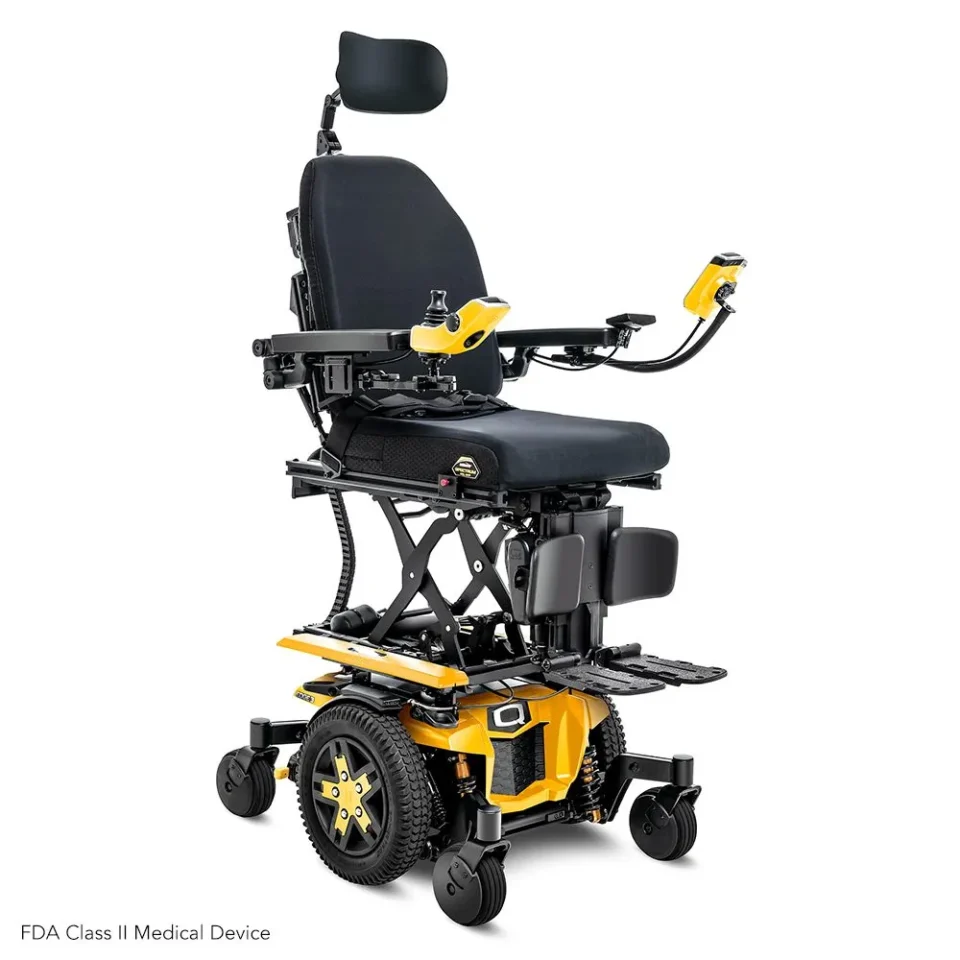
Choosing the right mobility equipment is about more than finding a chair that moves independently. People with long-term mobility limitations may need specific features to maintain a comfortable sitting position, navigate different environments, and manage everyday activities. This is where understanding the differences between a standard power wheelchair and a Group 3 power wheelchair becomes important.
Although both options provide powered mobility, they are designed to support different levels of physical and functional needs. A basic power wheelchair may be suitable for someone who needs assistance moving around but can maintain their sitting position independently. On the other hand, a Group 3 model offers more advanced capabilities for individuals who require additional positioning, seating, and mobility support.
Understanding these differences can help individuals, caregivers, and healthcare professionals make more informed decisions about long-term mobility solutions.
What Makes a Power Wheelchair Suitable for Everyday Mobility?
A power wheelchair is an electrically operated mobility device designed for people who cannot comfortably or safely use a manual wheelchair for independent movement. Instead of relying on physical pushing, users control the chair through a joystick or another specialized input device.
These wheelchairs are commonly used at home, in workplaces, shopping areas, and other everyday environments. Their primary purpose is to provide independent movement while reducing the physical effort required from the user.
For example, someone experiencing reduced muscle strength due to a neurological condition may find it difficult to propel a manual wheelchair throughout the day. A powered model allows them to move between rooms, reach different areas of their home, and participate in daily activities with less physical assistance.
Some common features include:
-
Joystick Controls: Allow users to control movement and direction with minimal physical effort.
-
Powered Mobility: Use rechargeable batteries and electric motors for independent movement.
-
Comfortable Seating: Provide basic seating support for everyday use.
-
Different Drive Systems: Offer configurations designed for indoor maneuverability or outdoor mobility.
However, not every powered wheelchair provides the advanced positioning and customization needed by individuals with more complex mobility requirements.
How a Group 3 Power Wheelchair Supports Complex Mobility Needs
A Group 3 power wheelchair is a more advanced mobility solution designed for individuals who require specialized seating, positioning, and powered mobility features.
Unlike basic powered models, Group 3 wheelchairs are generally prescribed for people with significant mobility limitations who also need additional clinical support. They may include complex rehabilitation technology to address postural challenges, muscle weakness, and difficulties maintaining a stable sitting position.
These wheelchairs are commonly considered for individuals with conditions such as cerebral palsy, multiple sclerosis, spinal cord injuries, and other neurological or neuromuscular conditions, depending on their functional needs.
For instance, a person with multiple sclerosis may experience progressive muscle weakness and difficulty maintaining proper posture. A Group 3 wheelchair with appropriate seating and positioning components may help accommodate these changing requirements.
Key Features of a Group 3 Power Wheelchair
The biggest advantage of a Group 3 model is its ability to accommodate more specialized mobility requirements.
Important features may include:
1. Advanced Seating and Positioning
Individuals who cannot maintain proper posture without assistance may benefit from customized seating systems. These can include specialized cushions, lateral supports, and headrests designed around individual positioning needs.
2. Power Tilt and Recline
Depending on the prescribed configuration, powered seating functions can help users change their sitting position without manually adjusting the chair. Tilt and recline may support pressure management, comfort, and positioning.
3. Customized Control Options
Not everyone can operate a traditional joystick comfortably. Alternative controls, such as specialized switches or other access methods, may be available depending on the user’s physical abilities.
4. Enhanced Mobility Capabilities
Group 3 models may offer different drive configurations and performance features to help users navigate everyday environments according to their mobility requirements.
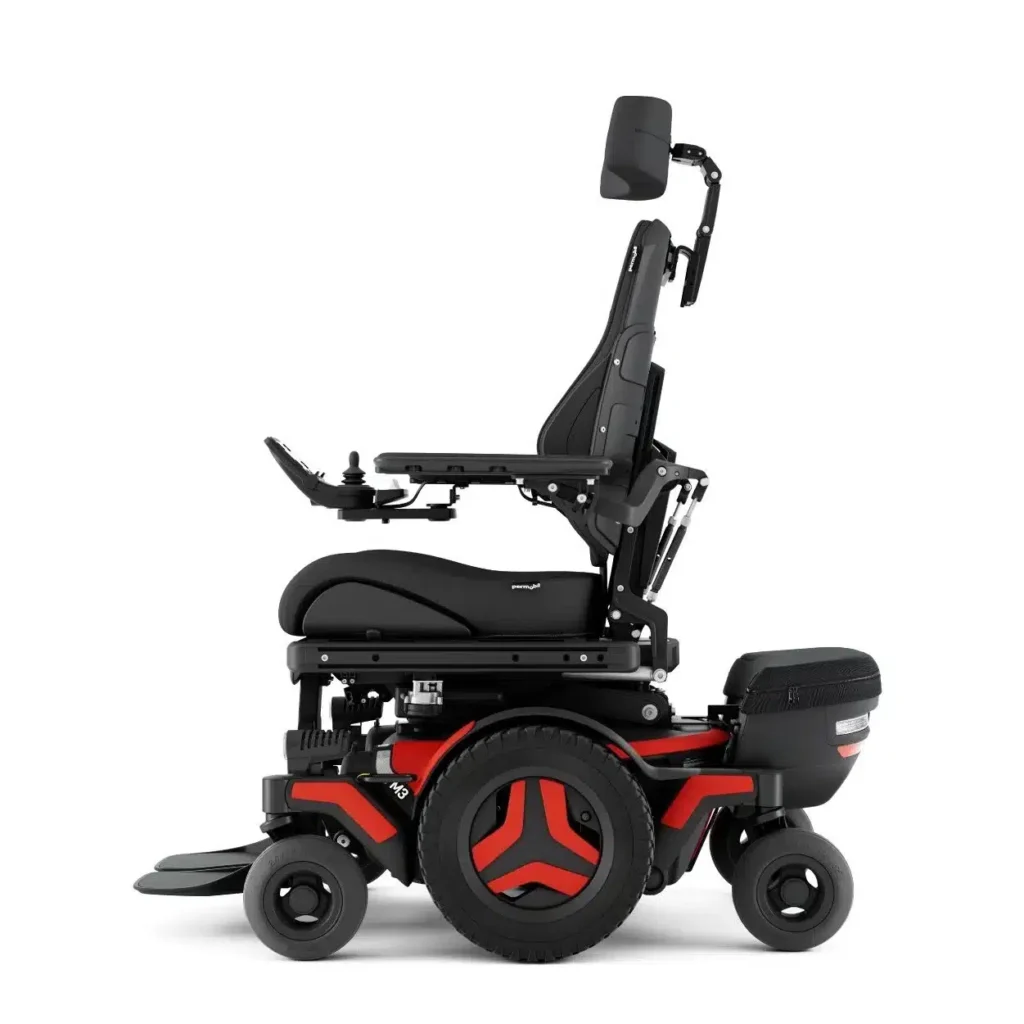
Power Wheelchair vs. Group 3 Power Wheelchair: What Is the Difference?
Although both wheelchair types provide powered movement, their intended applications and available configurations can differ significantly.
| Feature | Standard Power Wheelchair | Group 3 Power Wheelchair |
|---|---|---|
| Primary Purpose | Everyday powered mobility | Complex mobility and rehabilitation needs |
| Seating | Basic or standard seating | Advanced customizable seating |
| Positioning | Limited adjustments | Specialized positioning options |
| Controls | Usually joystick-based | Joystick and alternative controls |
| Customization | Depends on the model | Greater rehabilitation customization |
| Intended Users | People needing powered mobility | People with more complex functional needs |
For example, an individual who can sit upright independently but struggles with walking may only require a standard powered mobility solution. However, someone who needs additional trunk support, specialized seating, and powered positioning may require a Group 3 configuration.
The correct choice should always depend on an individual assessment rather than the wheelchair category alone.
Important Factors to Consider Before Choosing a Wheelchair
Selecting the right wheelchair requires understanding how a person moves, sits, and interacts with their surroundings. A wheelchair that works well for one individual may not provide the necessary support for another.
Consider these important factors before making a decision:
-
Physical and Functional Abilities: Evaluate muscle strength, posture, balance, and the ability to operate wheelchair controls.
-
Daily Environment: Consider doorways, room layouts, outdoor surfaces, ramps, and other frequently used spaces.
-
Seating Requirements: Determine whether standard seating is sufficient or specialized positioning support is needed.
-
Long-Term Mobility Needs: Consider whether the individual’s condition may change and require additional seating or control features.
A seating and mobility evaluation by qualified rehabilitation professionals can help identify the most appropriate configuration.
Pro Tip: Focus on Individual Mobility Requirements, Not Just Wheelchair Categories
One common mistake is choosing a wheelchair based only on its specifications or appearance. Two people with the same medical diagnosis may have completely different mobility requirements.
For example, one person with cerebral palsy may have sufficient trunk control to use a relatively simple seating system, while another may need customized positioning and powered seating functions.
Pro Tip: Before selecting a wheelchair, discuss seating measurements, pressure management, control accessibility, and future customization options with a qualified occupational therapist or assistive technology professional. This can help prevent choosing equipment that does not adequately support everyday activities.
Conclusion
Both standard powered mobility solutions and advanced rehabilitation wheelchairs play an important role in helping individuals maintain independence. A regular power wheelchair can provide reliable everyday movement, while a Group 3 power wheelchair offers additional customization for individuals with more complex seating, positioning, and mobility requirements.
The right choice depends on physical abilities, daily activities, environmental conditions, and long-term support needs. Taking time to understand these differences and consulting qualified mobility professionals can make the selection process more effective. Ultimately, the goal is to find a wheelchair that supports comfortable positioning, practical mobility, and greater participation in everyday life.
